The scariest door opens inward.
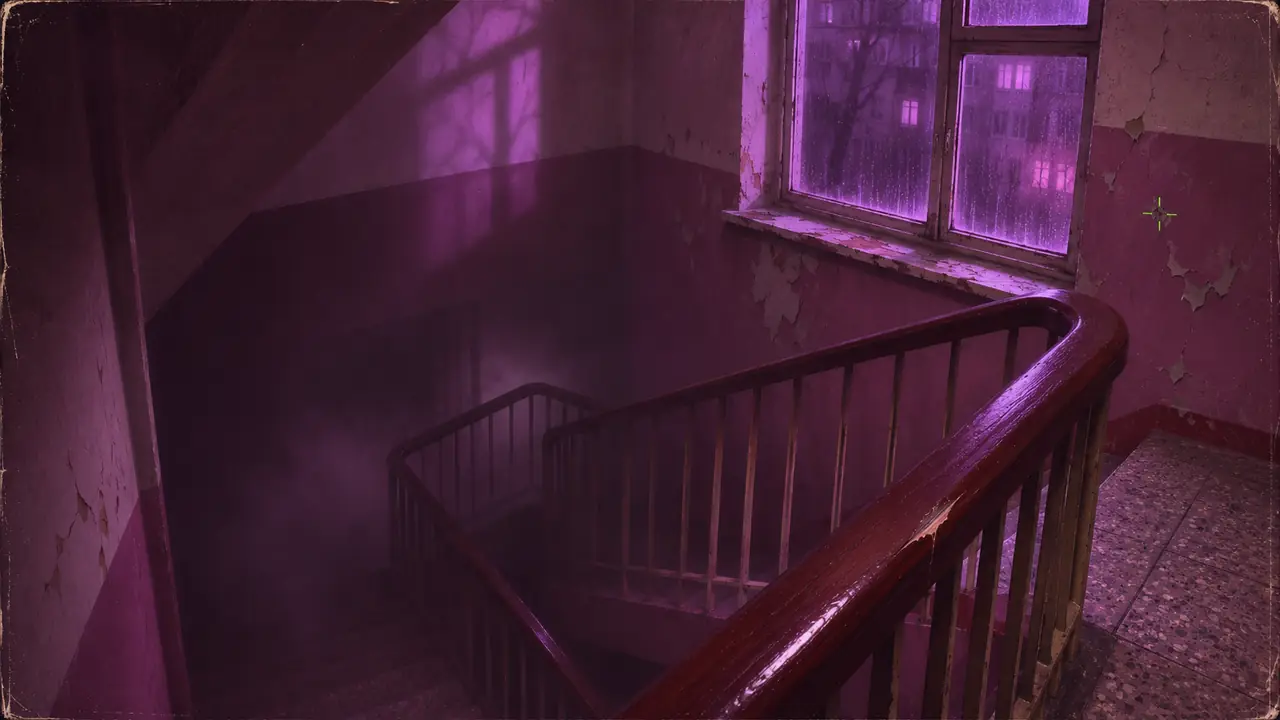
I remember the stair landing clearly. I remember that the light was off. In the next fragment I can see the floor numbers reflected in the glass, although there is no lamp on my side of the door. Mihush Studios builds suspense around the interval between those two statements. Both may contain something useful. Neither deserves to become a timestamp on its own.
The missing night is reconstructed by the person who lived through it. The player can read an account, return to a particular image and mark what the image actually supports. Exact phrasing matters. Hearing the strike of metal establishes that a sound was heard. It does not identify a key, the hand that held it or the minute it struck the railing.
Compare what survives the cut
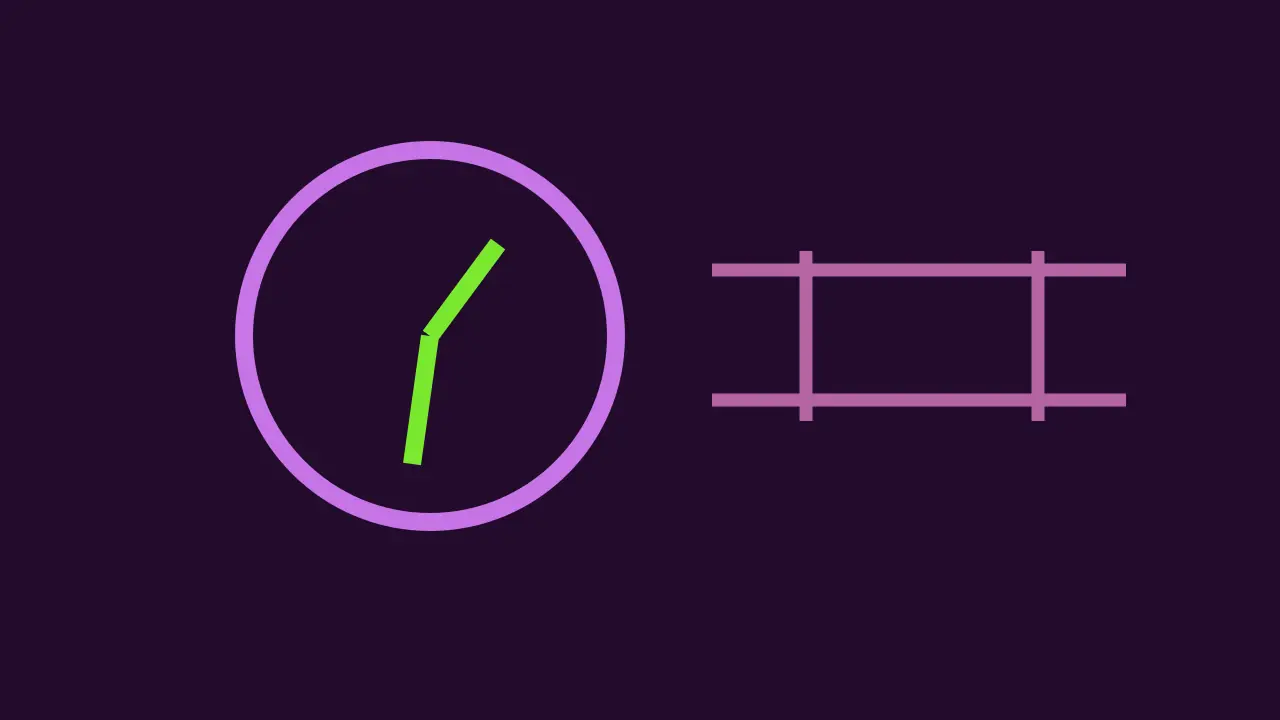
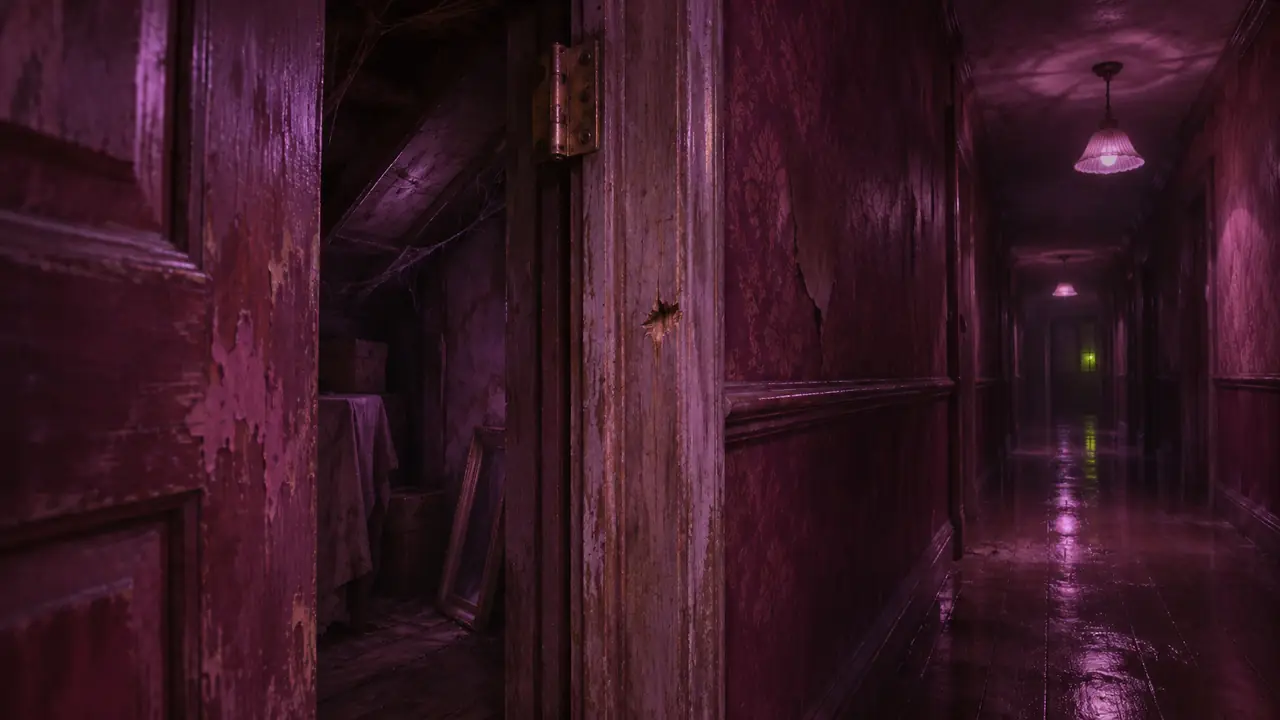
Drag through the strip with a trackpad or use the segment links to select a frame. The ruler measures position in the displayed strip. It never claims to measure elapsed time in the missing night. Each frame has a detail worth coming back to after reading another witness account, such as a door hinge visible on the wrong side or a ceiling light obscured by fogged glass.
In The Fall Between Rooms, a sound and a falling object are remembered together. They are separated into two traces so they can be placed independently on the reconstruction. In Same Door Twice, a corridor appears to repeat, but the doorframe offers a reference that neither visit can supply on its own.
Leave a useful disagreement
Memory Traces keeps the source image next to the language used to describe it. Save a trace for comparison if you want to read it beside another project’s evidence without repeatedly finding the relevant paragraph. The comparison preserves where each statement came from and what the player can verify.
Reconstruction Notes follows changes to the proposed systems. Read why we keep the time printed on a clock separate from the order in which a scene is remembered, or how the second sighting of a door can support a position without providing independent proof that a person returned.
Nothing in the reconstruction asks for a perfect account. A blank space can be more accurate than a neat sequence. The unresolved space stays visible when you reopen a fragment or reconsider something you were previously certain you had seen.